- Martech
Meta Ads Tracking: Making Sure the Right Data Gets Through
23 Jul 2025
When Meta Ads are performing well, the numbers make sense. You know where conversions are coming from, what audiences are working, and how budget changes affect results. But when tracking isn’t quite right, things start to feel unclear. You see gaps between platforms, missing conversions, or audiences that just don’t behave how they should.
It’s rarely because something’s broken. It’s more often a signal issue and the platform isn’t seeing everything it needs to do its job properly.
That’s exactly what we help clients fix at DIGITXL. We install and manage tracking tools and make sure the right data flows in the right way, so performance reporting and optimisation stay reliable as you scale.
1. Let’s Start with the Pixel
Meta’s Pixel still matters. It’s fast, flexible, and gives you a good layer of behavioural tracking across websites.
But on its own? It’s not enough anymore.
With privacy settings, browser updates, ad blockers and consent banners especially in Australia, a growing chunk of your users won’t show up in Pixel-only reporting. Which means Meta gets partial information, and campaigns start to optimise off incomplete signals.
2. That’s Where Conversion API Comes In
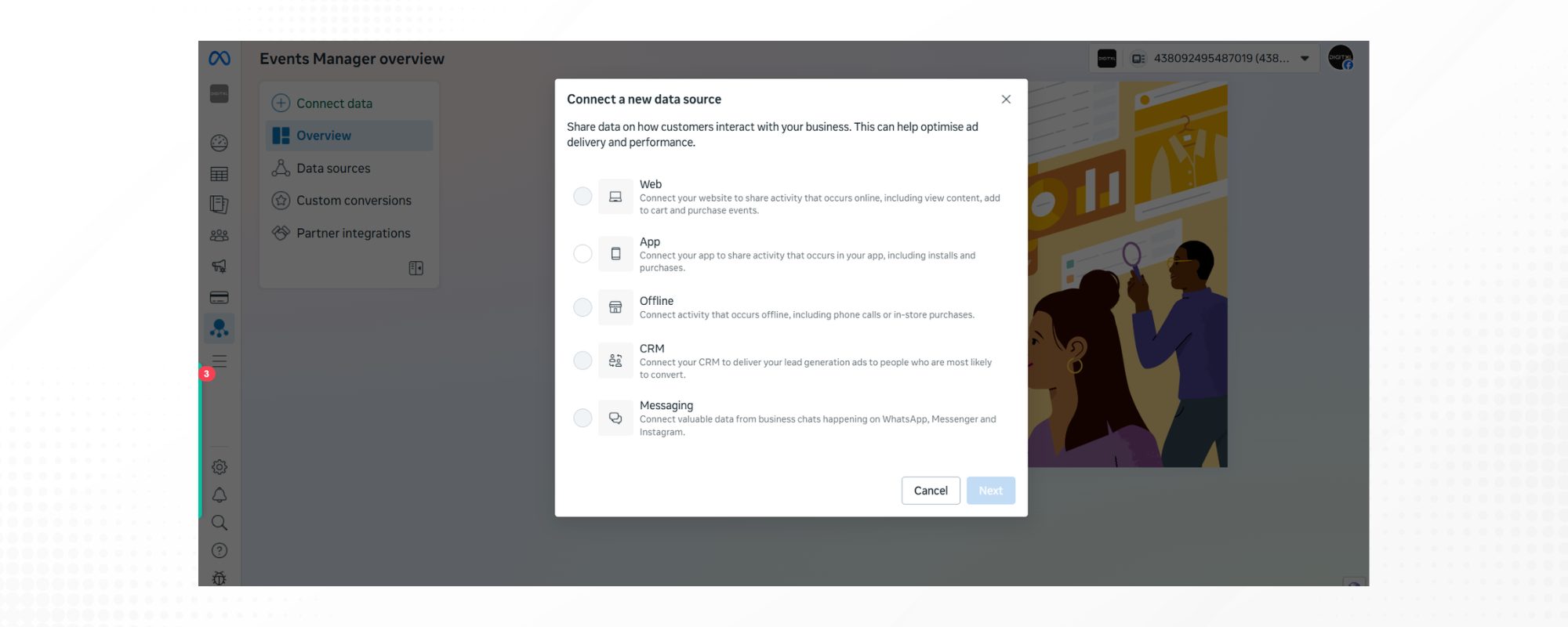
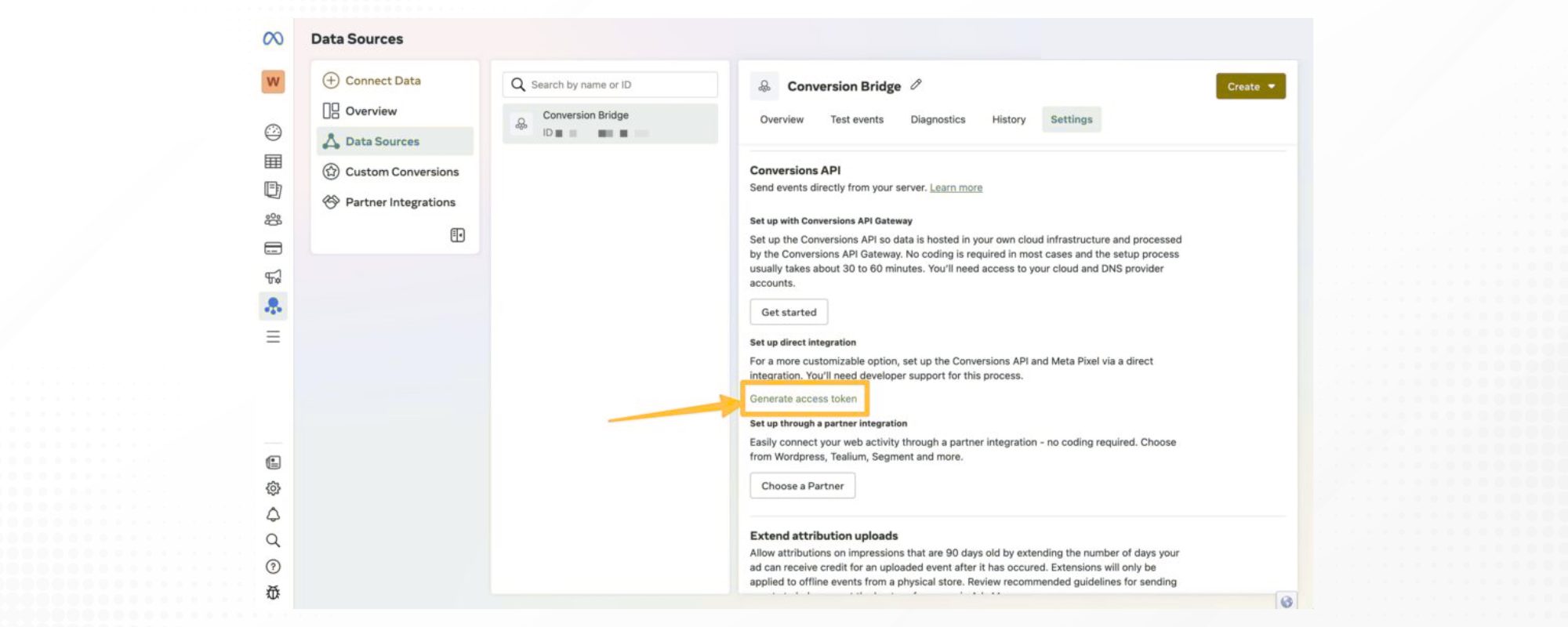
Meta’s Conversion API (CAPI) helps close those gaps. It lets you send conversion events server-side which means Meta receives those signals directly from your backend or cloud platform, not just the browser.
When it’s set up well, CAPI fills in the blanks. You get better attribution, stronger event match quality, and more useful optimisation data.
But here’s the part we see missed often: CAPI isn’t plug-and-play. Turning it on is only the start. To really get value from it, you need a plan.
3. What Strong Meta Tracking Actually Looks Like
From what we see in the field, the best-performing Meta setups all have a few things in common:
1. CAPI and Pixel are working together, not separately
Both should fire the same events and deduplicate properly so Meta doesn’t double-count. That means using consistent event names, unique IDs, and clear structure.
2. Events reflect how your business runs
Generic events like “Add to Cart” or “Purchase” are fine, but they’re only the beginning. Strong setups include events tied to your actual funnel like subscription upgrades, trial completions, high-value customer actions, or bookings.
Accurate funnel events also give a CRO agency the reliable behavioural data needed to identify where users abandon the journey, which landing pages underperform and whether Meta traffic is generating meaningful conversions.
3. Parameters carry the context
When Meta receives signals, it also benefits from context. Things like customer type, purchase value, product category or lifetime status help improve optimisation and targeting. If you’re only sending basic events, you’re missing that opportunity.
4. Consent is integrated, not an afterthought
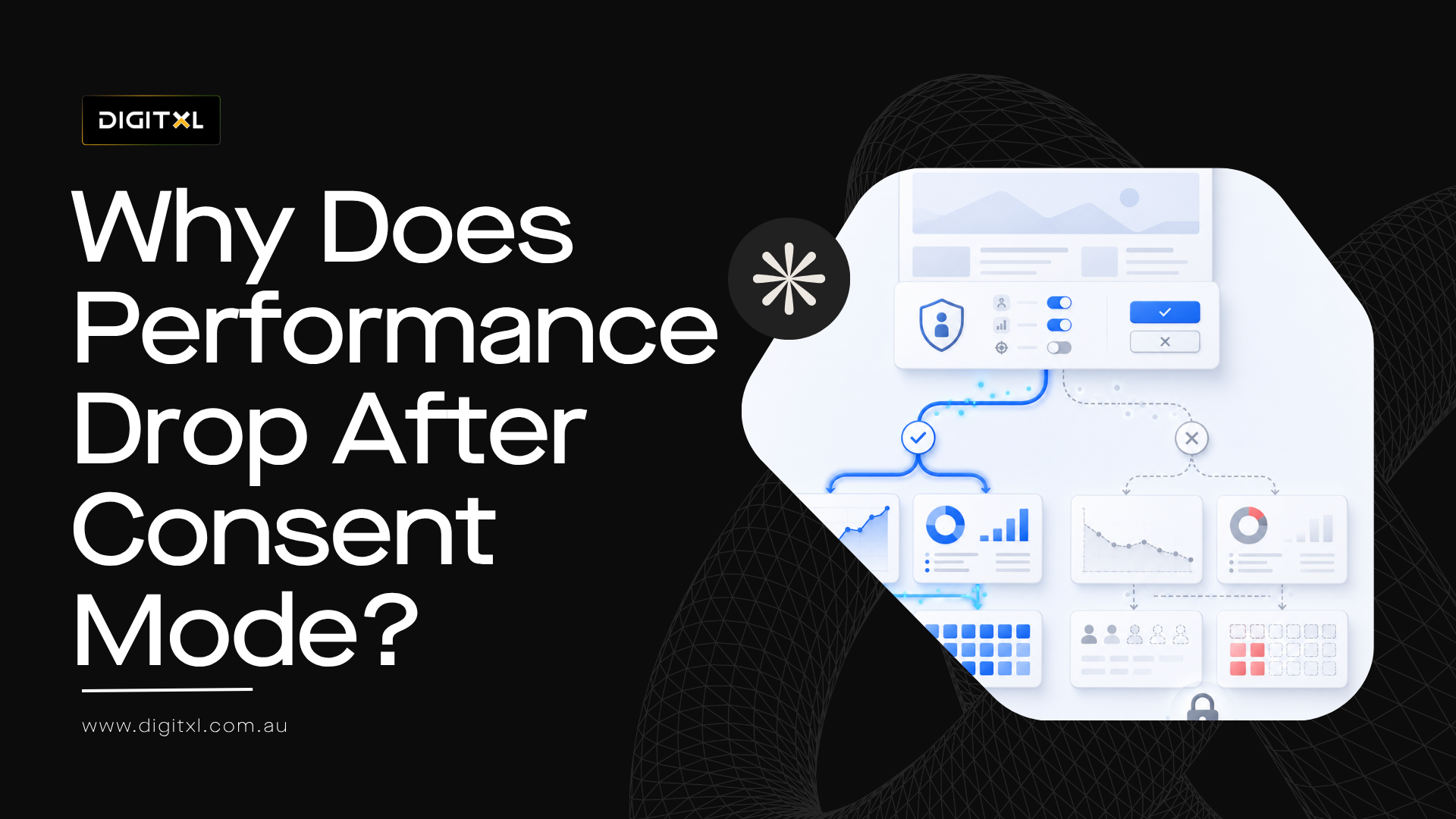
Privacy matters legally and operationally. If your consent setup blocks browser tracking but doesn’t apply to CAPI, your data will be inconsistent. Good tracking honours user choice while still making sure allowed events are captured cleanly.
4. What We See Most Often in Reviews
In audits, we commonly find:
- CAPI installed via Shopify or GTM, but sending just one event (often without value)
- Deduplication missing, so Meta receives the same event twice
- Consent logic handled in the Pixel, but ignored server-side
- Disconnected platforms — Meta says one thing, GA4 says another, and finance sees something else
For businesses reviewing Meta campaign performance, clean Pixel and CAPI data is essential before making decisions about landing-page changes or advertising spend. A CRO agency in Perth can use these verified conversion signals to assess whether campaign traffic is moving through the website funnel as expected.
As conversion tracking specialists, this is not unusual and it’s usually easy to fix with the right tracking plan in place.
5. What We Do at DIGITXL
We’re an Australian-based analytics and conversion consultancy. We work worldwide with in-house teams, digital leads, and eCommerce operators to sort out tracking from top to bottom.
We look at:
- How events are mapped to your funnel
- Whether signals are consistent across Pixel and CAPI
- What parameters are (and aren’t) being passed
- How your consent logic is built into tracking
- Where attribution might be skewed — and how to correct it
The goal is to help you trust your data again. So you can optimise campaigns, brief your exec team, or scale spend without hesitation.
6. Want a Clearer View on What Meta's Seeing?
If you’re not quite sure what Meta receives from your site or what it’s doing with that data we can help you get clarity.

Recent Posts

Case Studies
Business News Australia
On Track Meals
Suncorp