- CRO
The Link Between CRO & Customer Lifetime Value
05 Sep 2025
Conversion Rate Optimisation (CRO) still gets treated like a tactical lever for acquisition. Change a button, tweak a headline, test a form.. short-term wins. The real measure of CRO is its compounding effect on Customer Lifetime Value (CLV). The retention, repeat purchase, and long-term profitability all depend on how conversion experiments shape the customer journey.
Partnering with the right CRO agency turns those experiments into a long-term growth engine, not just uplift spikes.
1. Customer Lifetime Value
Amazon’s Buy Now flow accelerated purchasing behaviour by stripping out friction.. Spotify tests cancellation flows with the same intensity as onboarding. Each of these examples ties CRO to lifetime value, not isolated conversions.
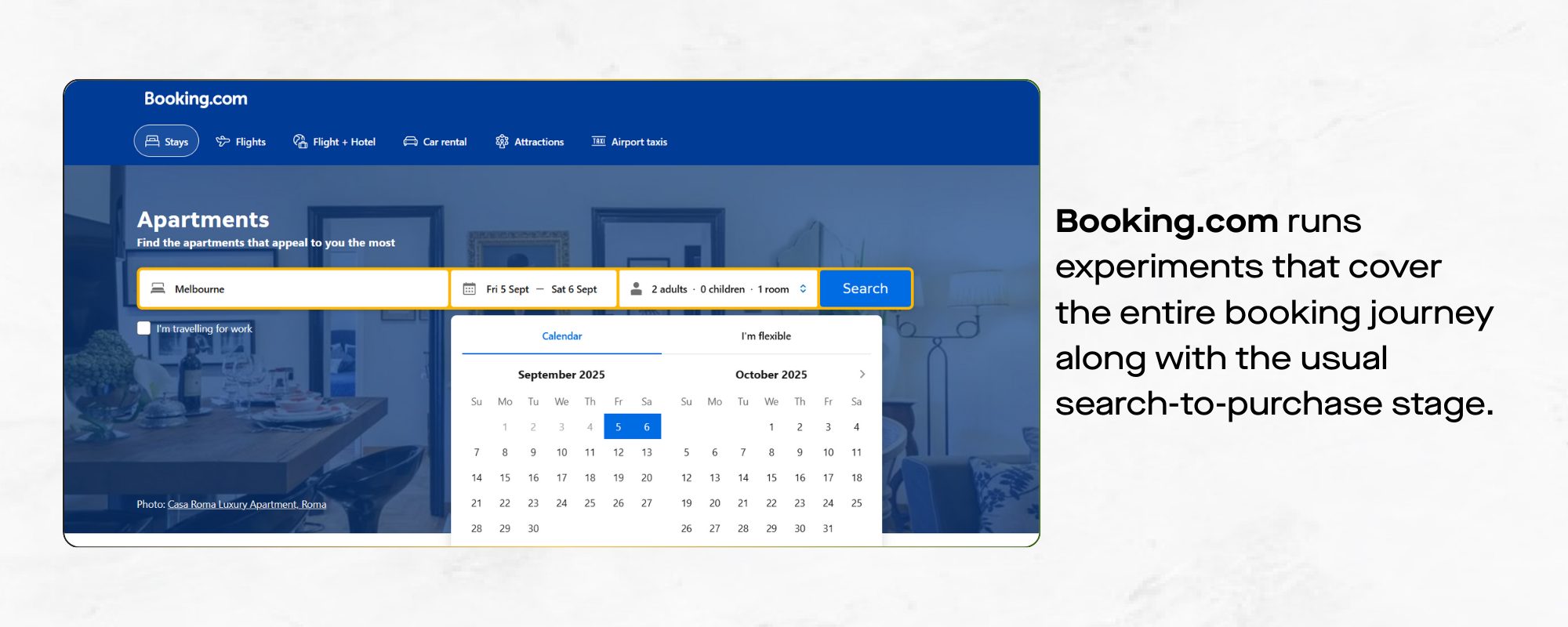
2. CRO as a Retention Engine
The importance of CRO in customer retention comes into play when friction beyond checkout gets removed. Every step that reduces effort or regret strengthens the chance of a second transaction.
On subscription products, cancellation journeys matter. With Spotify, cancelling Premium reverts the account to the free tier rather than cutting users off entirely, a design that softens hard churn and preserves a relationship that can later be re-monetised.
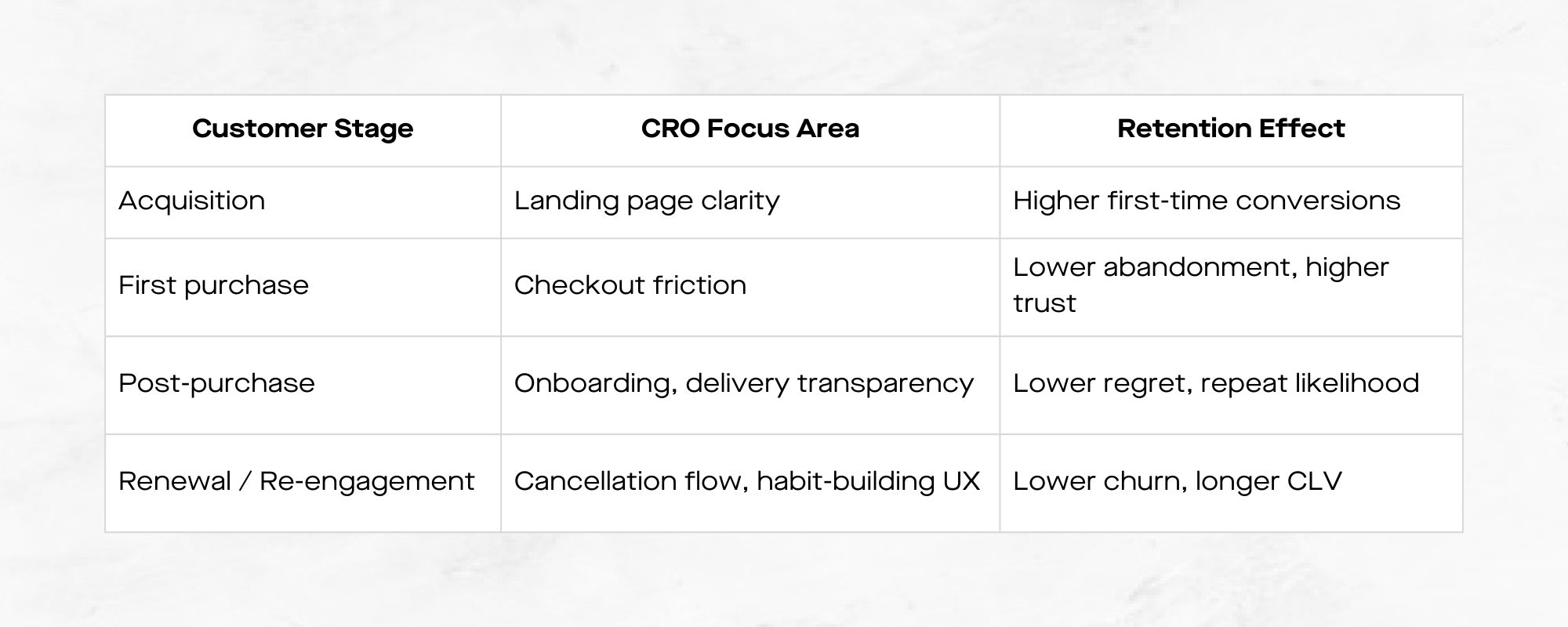
3. How CRO Shapes Lifetime Value
The link between CRO and customer lifetime value sits inside three levers: order value, purchase frequency, and retention length. Each lever can be moved by targeted experiments.
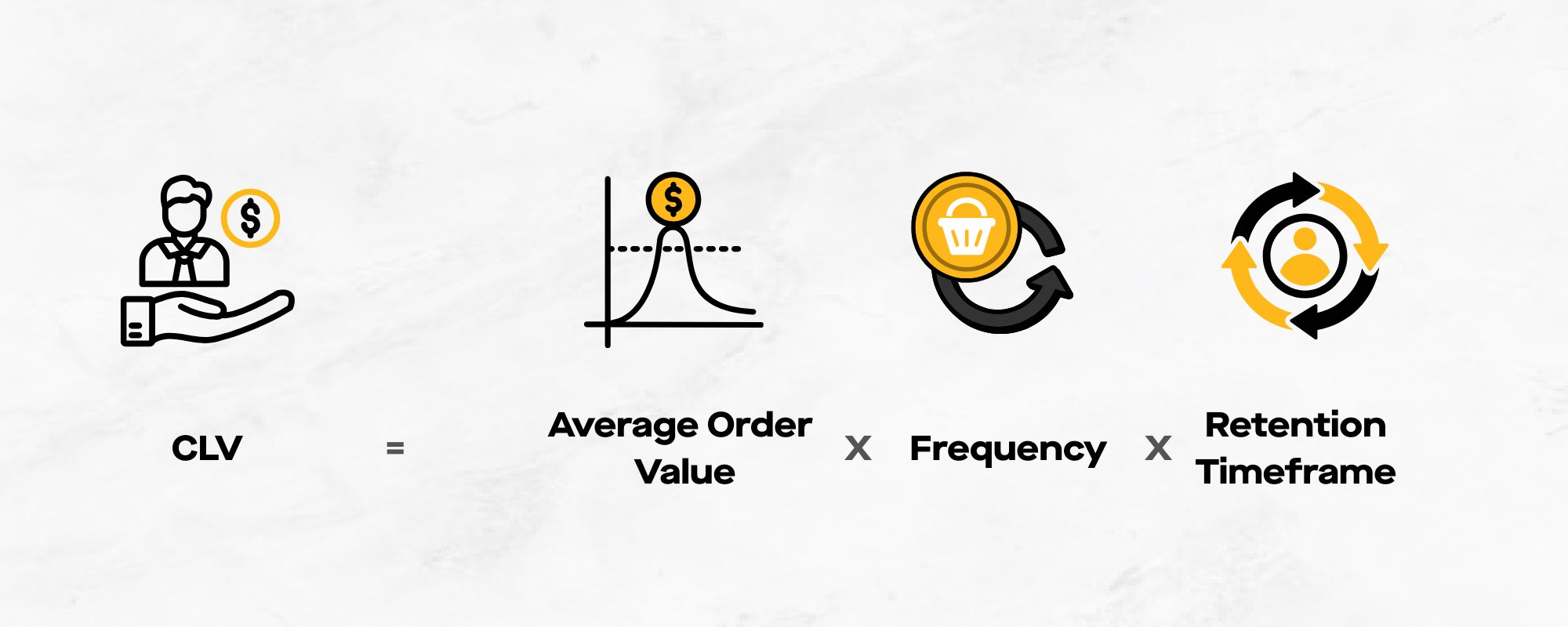
- Order Value shifts when cross-sell or upsell tests land. Amazon’s “Frequently Bought Together” increased revenue per purchase.
- Frequency grows when post-purchase friction is cut. Starbucks redesigned its app to make rewards redemption effortless, which drove repeat visits.
- Retention extends when exit flows are optimised. Netflix tested reminder emails during trial-to-paid periods and reduced early churn.
4. CRO for Compounding Gains
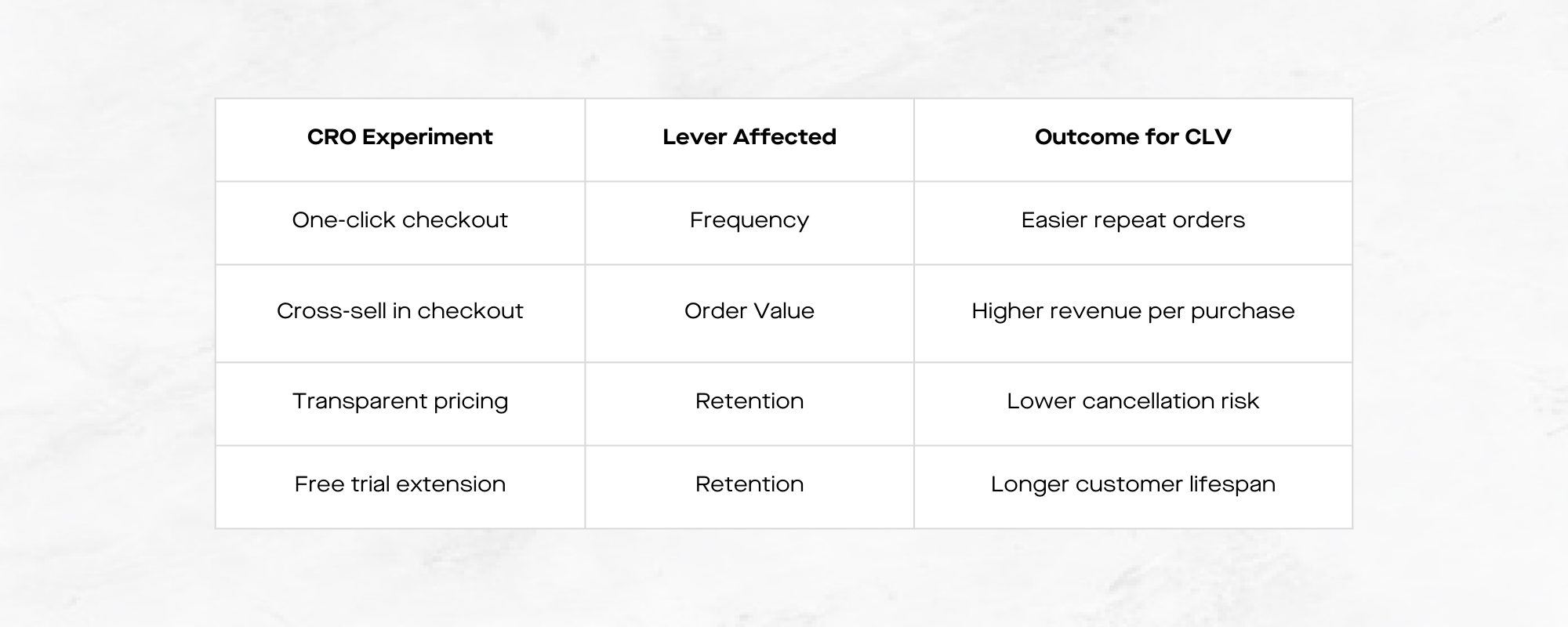
When CRO extends beyond conversion, it becomes a lever for lifetime economics. This is where CRO to boost customer lifetime value delivers outsized returns.
Amazon’s single-click ordering shifted purchasing into a habitual action. What looked like a convenience experiment became a structural driver of repeat behaviour.
Airbnb learned that unclear cleaning fees eroded trust. Their tests around transparent pricing reduced drop-offs and improved return bookings.
- Experiments track churn and repeat purchase, not only first conversion
- Testing covers onboarding, renewals, and support interactions
- CRO dashboards include lifetime metrics, not only immediate uplifts
- Teams link CRO findings with lifecycle marketing strategies
5. The Depth of CRO
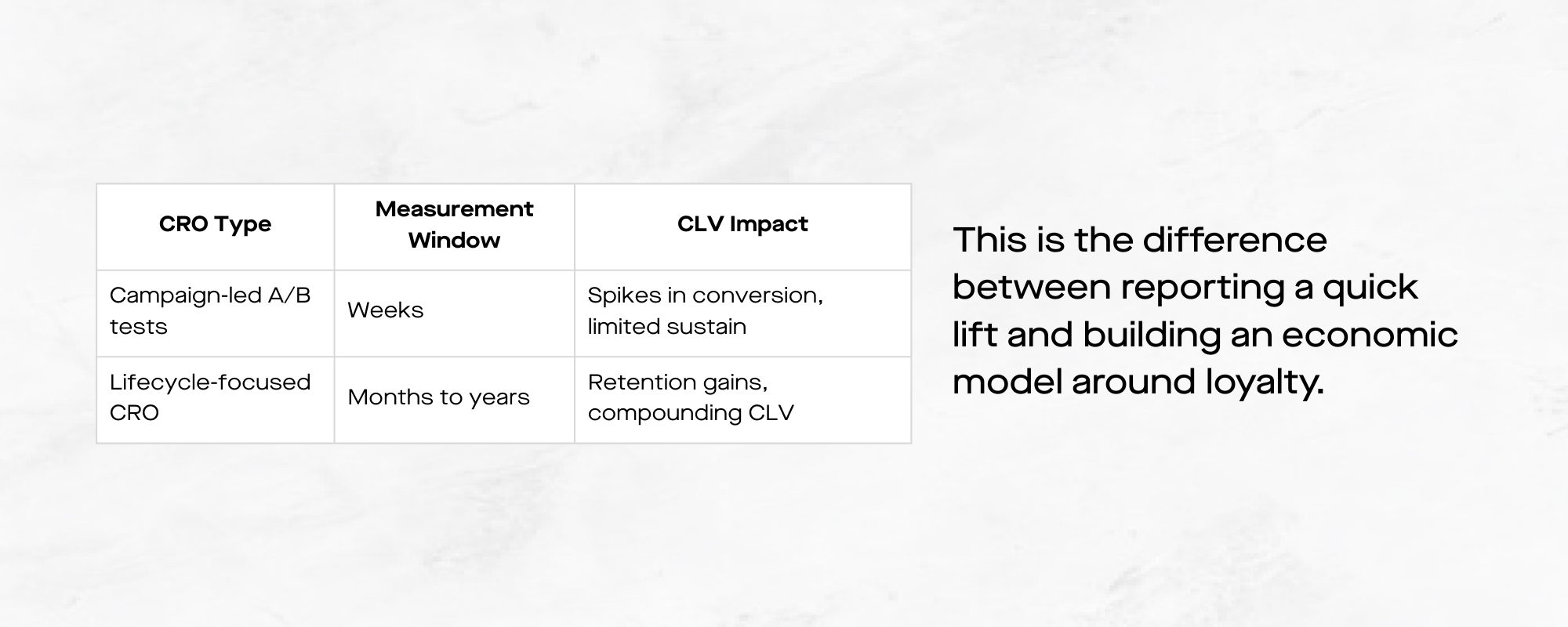
Short-term testing can inflate metrics while missing structural value. Long-term programs measure results over six to twelve months, tying experiments to renewal rates, repeat purchases, and customer lifespan.
6. The Agency Role
A conversion rate optimisation agency that works with enterprise brands doesn’t just manage test velocity. It connects experimentation to business outcomes.
A global retailer might brief an agency for checkout experiments. A stronger move is to brief them for retention experiments: subscription renewals, loyalty dashboards, and communication flows. That’s where a conversion rate optimisation service becomes a growth layer.
For teams in Australia, the role of a CRO agency is shifting.
7. Finally,
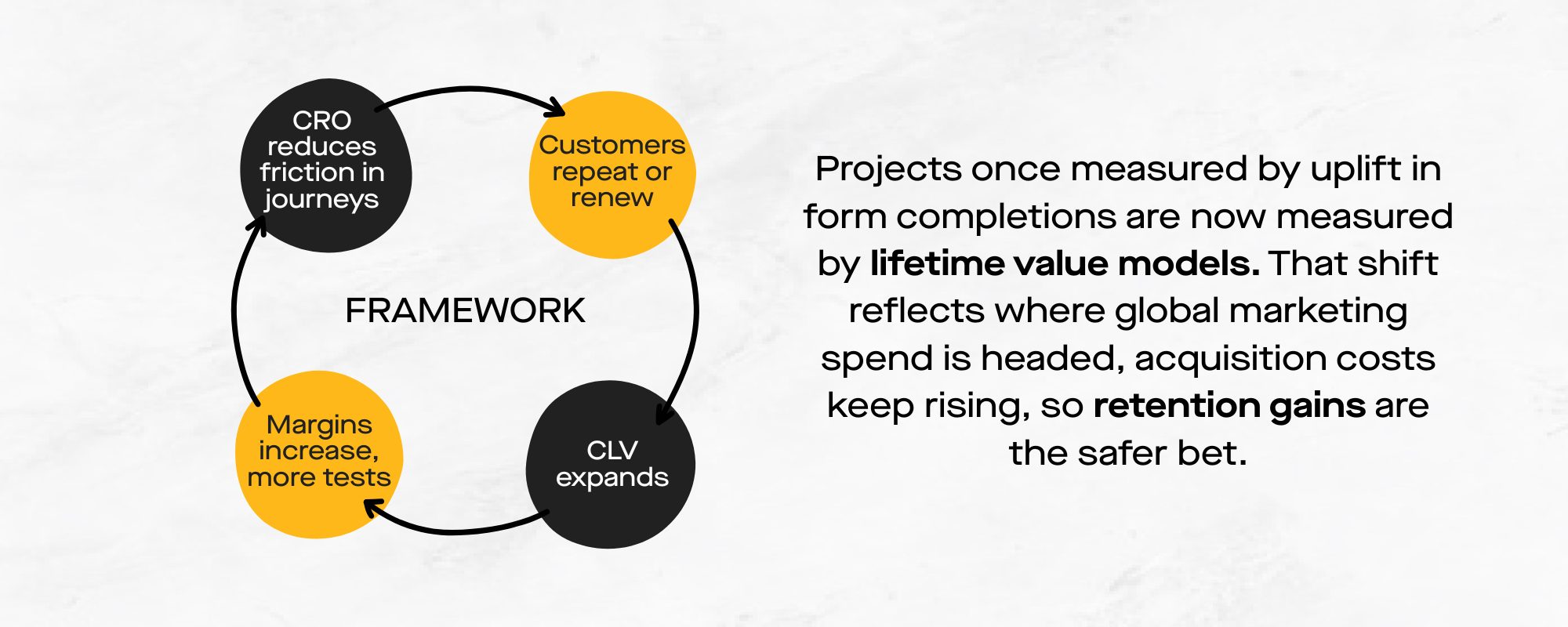
CRO is often sold as a way to lift conversion rates. In practice, its strongest function is protecting and expanding CLV. Every experiment that keeps a customer for one more order or one more renewal multiplies revenue far more than a single new signup ever could.
The signal is clear: CRO measured only at the point of acquisition underestimates its value. CRO tied to retention defines it.
8. FAQ
Q. How are CRO and Customer Lifetime Value (CLV) connected?
A. CRO doesn’t just influence whether someone converts once; it shapes how easy it is to buy again, renew, or stay subscribed over time. When experiments reduce friction, regret, and confusion across the journey, they lift retention, repeat purchase behaviour, and overall CLV.
Q. Why should we look beyond first-conversion wins in CRO?
A. Short-term lifts from button or headline tests can look good on a dashboard but miss where most revenue sits – the second, third, and tenth transaction. Treating CRO as a long-term discipline means testing onboarding, billing, support and exit flows so customers stay longer, not just convert once.
Q. What are the main CLV levers that CRO can move?
A. CRO can increase order value through better cross-sell and upsell experiences, increase purchase frequency by simplifying re-ordering or redemption, and extend retention by improving cancellations, renewals, and trial-to-paid journeys. These three levers compound, turning one-off buyers into long-term customers.
Q. How should a CRO program be measured if the goal is higher CLV?
A. Instead of only tracking uplift in immediate conversion rate, mature programs monitor churn, repeat purchases, and renewal behaviour over six to twelve months. Dashboards include metrics like average orders per customer, time between purchases, and subscription retention, tying experiments directly to lifetime outcomes.
Q. What should a CRO agency focus on if we care about CLV, not just signups?
A. When comparing a CRO agency in Perth, look for a partner that can test beyond landing pages and acquisition funnels. The CRO program should cover onboarding, repeat-purchase journeys, loyalty, billing, renewals, support and cancellation flows, with results tied to retention, purchase frequency and Customer Lifetime Value rather than short-term conversion uplift alone.
Recent Posts

Case Studies
Business News Australia
On Track Meals
Suncorp