- Ecommerce
How to Improve Campaign Measurement Across Channels in 2026
17 Jun 2026
In 2026, improving a marketing campaign requires far more than reviewing dashboards, platform reports, or surface-level performance metrics. Simplified version:
Brands need to understand how customers move from one channel to another. They also need to know what happens after the first interaction. They must see how their data connects across ads, analytics, CRM, email, and reporting tools. Without this broader view, teams may see clicks, leads, or conversions, but still miss the real story behind campaign performance. Strong campaign measurement depends on connecting channel activity, customer behavior, first-party data, revenue outcomes, and business goals. These must be combined into one clear measurement framework.
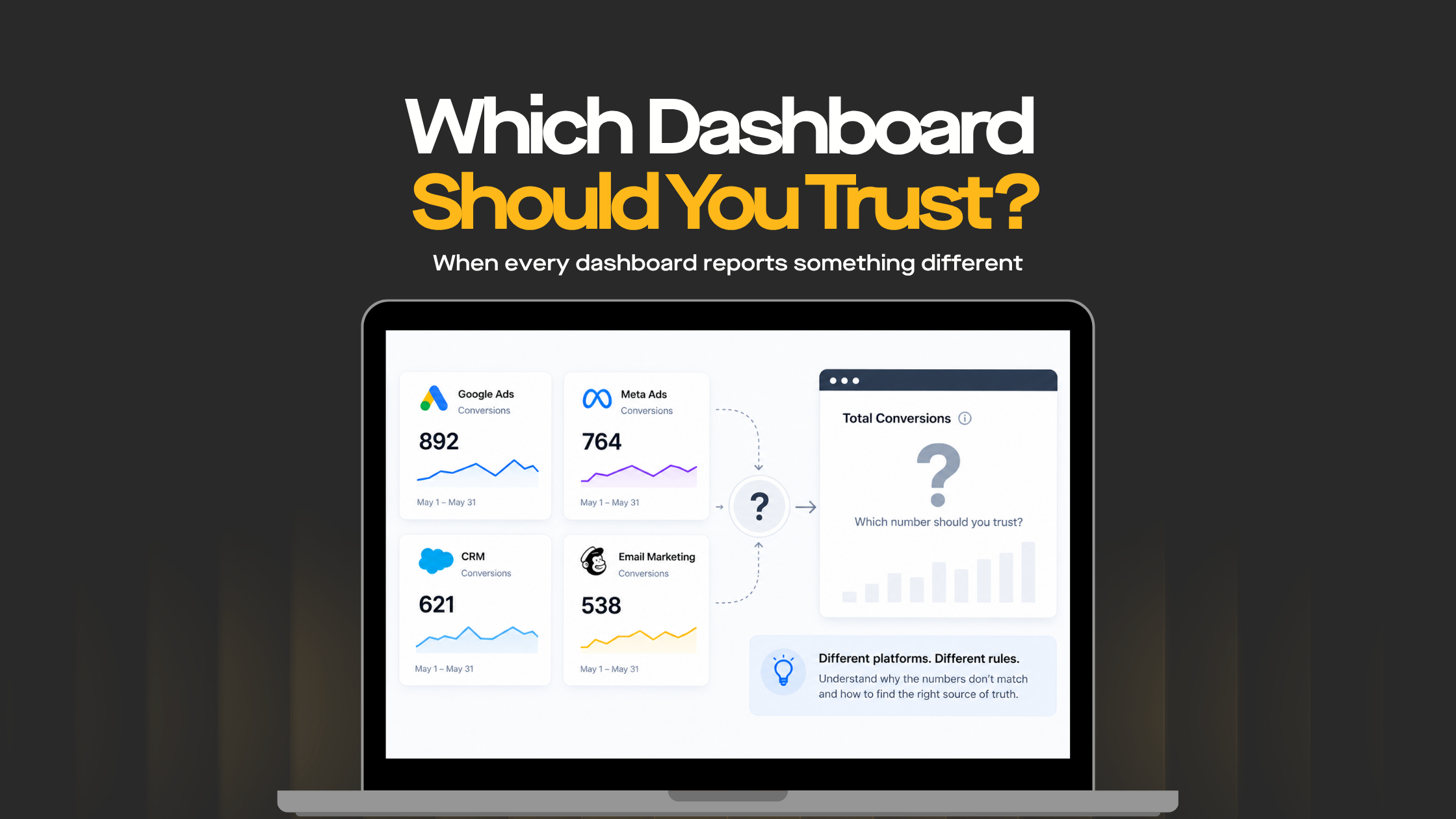
Most marketers do not have a reporting problem. They have a measurement problem. Fragmented customer profile signals, inconsistent customer relationship management, and disconnected first-party data sources cause these difficulties.
Modern marketing statistics show that teams rely heavily on Google Analytics, Google Ads, paid media, and social media. However, they still struggle to understand true campaign performance, return on investment (ROI), and the bottom line impact.
Even with tools like a reporting wizard, AI assistant, and Task Assistant, the challenge of too many numbers, and not enough clarity remains the same.
1. Which marketing activities are genuinely driving growth?
To understand growth, you require mapping the full buying journey,and not just focus on isolated clicks.
Today’s customer experience is shaped by cross-channel marketing and multi-channel strategy. It also involves more advanced omnichannel execution. A customer rarely converts after one interaction. They may first discover a brand through search engines, compare options through social media, watch a YouTube Shorts video, click a paid ad, read a content piece, and later respond to Email Marketing before taking action. This means a strong integrated marketing strategy is essential for understanding how each touchpoint contributes to the buying journey. When channels are measured separately, teams often miss the bigger picture behind campaign influence, customer intent, and conversion behaviour.
Multi-touch attribution and conversion attribution help interpret assisted conversions, media mix, and channel group performance.

2. Why Most Cross-Channel Reporting Creates More Confusion Than Clarity?
Most teams rely on campaign management systems that aggregate data from Google Analytics Data API, dimension filters, and multiple dashboards.
But issues arise due to fragmented customer data, missing first-party data, and reliance on outdated third-party cookies.
Common breakdowns include:
- Broken traffic measurement
- Inconsistent cross-channel budgeting
- Misaligned paid media reporting
- Conflicting ad spend data
- Duplicate marketing campaign attribution
Tools like bulk editing, monday campaigns, and Deal Desk workflows help execution, but not always clarity.
This leads to:
- Confusion around revenue attribution
- Inflated conversion attribution
- Misleading marketing statistics
3. Stop Treating Every Channel the Same
Paid Search (Google Ads & Search Engines)
Paid search through Google Ads and search engines is effective because it captures people who are already showing strong intent. These users are actively searching for a product, service, or solution, which often makes paid search one of the stronger channels for return on investment. However, it usually shows only the final stage of demand. It does not show the earlier touchpoints that influenced awareness, consideration, or customer decision-making.
3.1 Paid Social (Social Media, CTV & Content Cards)
Social media campaigns, CTV pause ads, and content Cards build awareness using AI-powered engagement and AI personalization models.
Platforms such as:
- BrazeAI Decisioning Studio: supports smarter decisioning based on customer behaviour and engagement patterns.
- Audience Unlimited: helps manage and expand audience reach using available customer and channel signals.
- Audience Assistant: supports audience planning and targeting decisions.
- Behavioural signals: help platforms adjust delivery based on how customers interact across channels.
These channels rely heavily on reach and frequency insights and influence the customer lifecycle rather than immediate conversions.
3.2 Organic Search (SEO & Content Strategy)
Search engine optimization and content marketing help get steady website traffic within some time and show how well your content strategy is working.
Assets like content creation, content download, and Video Marketing (including YouTube Shorts) often impact conversions months later.
3.3 Email Marketing & Lifecycle Engagement
Email campaigns use email marketing strategy, marketing automation, and lifecycle campaigns. These are key to retention.
Metrics such as revenue per send, unsubscribe rate, and spam complaint rate reflect list health and deliverability foundations.
Strong list growth and customer relationship management systems ensure long-term value through repeat e-commerce sales and in-store sales contributions.
4. Build a Layered Measurement Framework
Layer 1: Platform Reporting
Use campaign management tools like Google Ads, social dashboards, and reporting wizard systems for optimisation.
Focus areas:
- Creative performance via content creation
- Audience targeting using target audience
- Spend efficiency via ad spend
- ROI via return on investment
4.1 Layer 2: Analytics (Google Analytics)
Platforms like Google Analytics, using Google Analytics Data API, help analyse:
- Refined funnel analysis
- Traffic measurement
- Channel group performance
- Assisted conversions
- Customer journey analytics
Use dimension filters for segmentation and deeper Generated insights.
These insights become more valuable when they are connected to action. An experienced CRO agency can use campaign, funnel and customer journey data to identify where visitors disengage, prioritise conversion opportunities and test improvements across landing pages, forms, product pages and other important website journeys.
4.2 Layer 3: CRM & Unified Customer Data
This layer focuses on unified customer data, strengthened through data centralization.
Key metrics:
- Customer Lifetime Value
- Customer profile
- Customer lifecycle
- Customer experience
- Revenue contribution from marketing campaign efforts
Tools such as
- Customer relationship management: connects customer interactions, sales activity, and lifecycle data.
- Audience Unlimited: helps expand and manage audience insights across channels.
- Contextual Marketplace: adds contextual data to improve audience understanding.
- Sincera data: enriches insights with additional media, inventory, and signal-level information.
4.3 Layer 4: Predictive & AI-Driven Systems
- Use predictive analytics to forecast future campaign outcomes.
- Apply AI-driven performance insights to identify patterns, risks, and growth opportunities.
- Use AI personalisation to deliver more relevant customer experiences across channels.
- Improve planning by predicting which audiences, channels, and messages are likely to perform best.
- Support smarter campaign decisions with data-led forecasting rather than relying only on past performance.
Tools such as BrazeAI Decisioning Studio and AI assistant systems support smarter targeting, while Live events forecasting improves planning accuracy.
5. The Hidden Weakness in Measurement
Poor tracking often starts with
- Weak Campaign management
- Inconsistent first-party data
- Broken application programming interface integrations.
Issues include:
- Missing traffic measurement
- Poor data centralization
- Weak content strategy
- Misaligned marketing automation
- Inconsistent bulk editing
- Fragmented inventory adjustments
Without strong governance, even advanced tools like Task Assistant fail to deliver reliable Marketing Statistics.
6. Attribution Is Useful, But It Isn't Reality
Multi-touch attribution and conversion attribution models have difficulties. Third-party cookies, privacy changes, and fragmented customer journey signals cause these problems.
While attribution helps understand paid media, media mix, and cross-channel marketing, it cannot fully capture offline or dark interactions within the buying journey.
7. Why Marketing Mix Modelling (MMM) Is Back
MMM helps with attribution by analyzing data.
- Ad spend
- Return on investment
- Media mix
- Cross-channel budgeting
- External factors like Market conditions
It aligns with broader integrated marketing strategy and omnichannel campaigns planning.
8. Connect Measurement to What Actually Matters
Instead of focusing only on surface metrics, modern teams prioritise:
- Customer Lifetime Value
- Customer experience
- Customer lifecycle
- Revenue per send
- Bottom line
- E-commerce sales
- In-store sales
Strong systems reduce dependency on vanity metrics and improve AI-driven performance across all marketing campaigns.
9. Modern Measurement Ecosystem Components
Modern measurement is more than just analytics. It includes customer journey analytics, predictive analytics, marketing automation, AI personalization, and unified customer data systems.
The brands that succeed combine cross-channel marketing, omnichannel strategy, and disciplined campaign management. They also use strong foundational traffic measurement and data centralization.
For Perth-based businesses, working with a CRO agency in Perth can help connect cross-channel campaign measurement with onsite customer behaviour. This allows teams to understand whether marketing activity is attracting valuable visitors and which landing-page, funnel or customer journey improvements should be tested to generate stronger commercial outcomes.

10. FAQs
Q. Why don’t platform reports match total revenue?
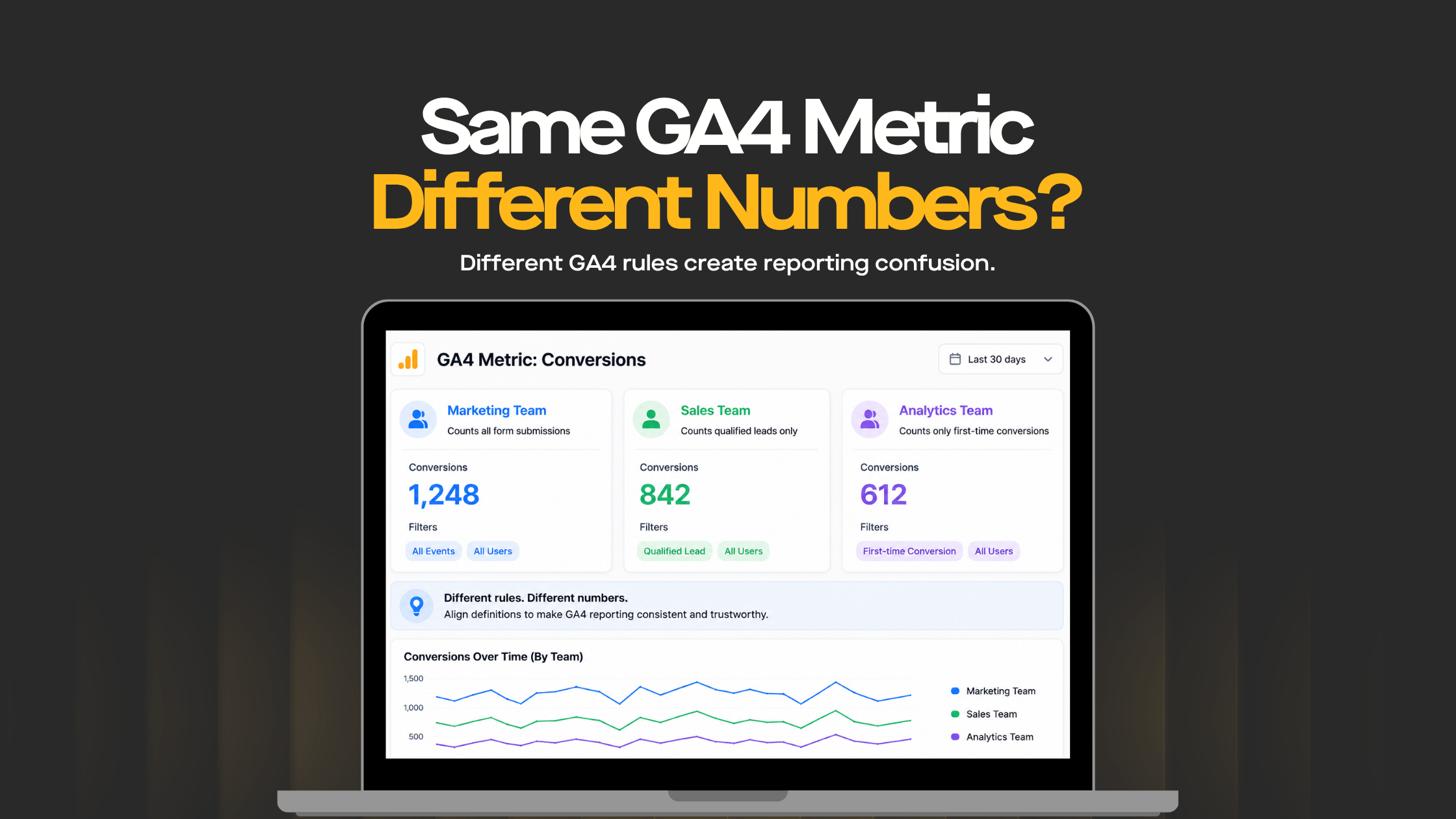
A. Each platform uses different attribution windows and measurement methods. This means the same conversion can be credited multiple times.
Q. What’s the best attribution model?
A. Data-driven attribution is usually the strongest starting point, but it should be complemented by incrementality testing and MMM.
Q. How do you measure brand impact?
A. Look at indicators such as branded search growth, direct traffic trends, share of search, brand lift studies, and controlled testing.
Q. When should businesses use Marketing Mix Modeling (MMM)?
A. Marketing Mix Modeling (MMM) becomes more valuable once there is enough historical marketing and revenue data. This data helps identify meaningful patterns.
Q. How often should measurement frameworks be reviewed?
A. At least quarterly, and whenever there are significant changes to tracking, technology, channels, or business objectives.

Recent Posts

Case Studies
Business News Australia
On Track Meals
Suncorp