1. Introduction
If you’re looking for how to use zero party data in marketing, this guide covers everything from its benefits to strategies for putting it into action.
2. Unravelling Zero-Party Data
Picture this: Zero-party data stands apart from other customer data types like first-party or third-party data. This is info that customers intentionally share with a brand. It’s all about preferences, needs, interests, basically, it’s a treasure trove that gives businesses a deeper insight into customers’ minds.
Zero-party data is the key to understanding your customers’ “why” behind their preferences and behaviours.
The magic? Transparency and trust. Customers provide this data willingly, often in return for personalised experiences or exclusive offers. The result? We can craft a more precise and rounded view of customers, converting to better marketing strategies, higher customer engagement, and a strong brand loyalty.
3. Zero-Party Data: The Real Deal
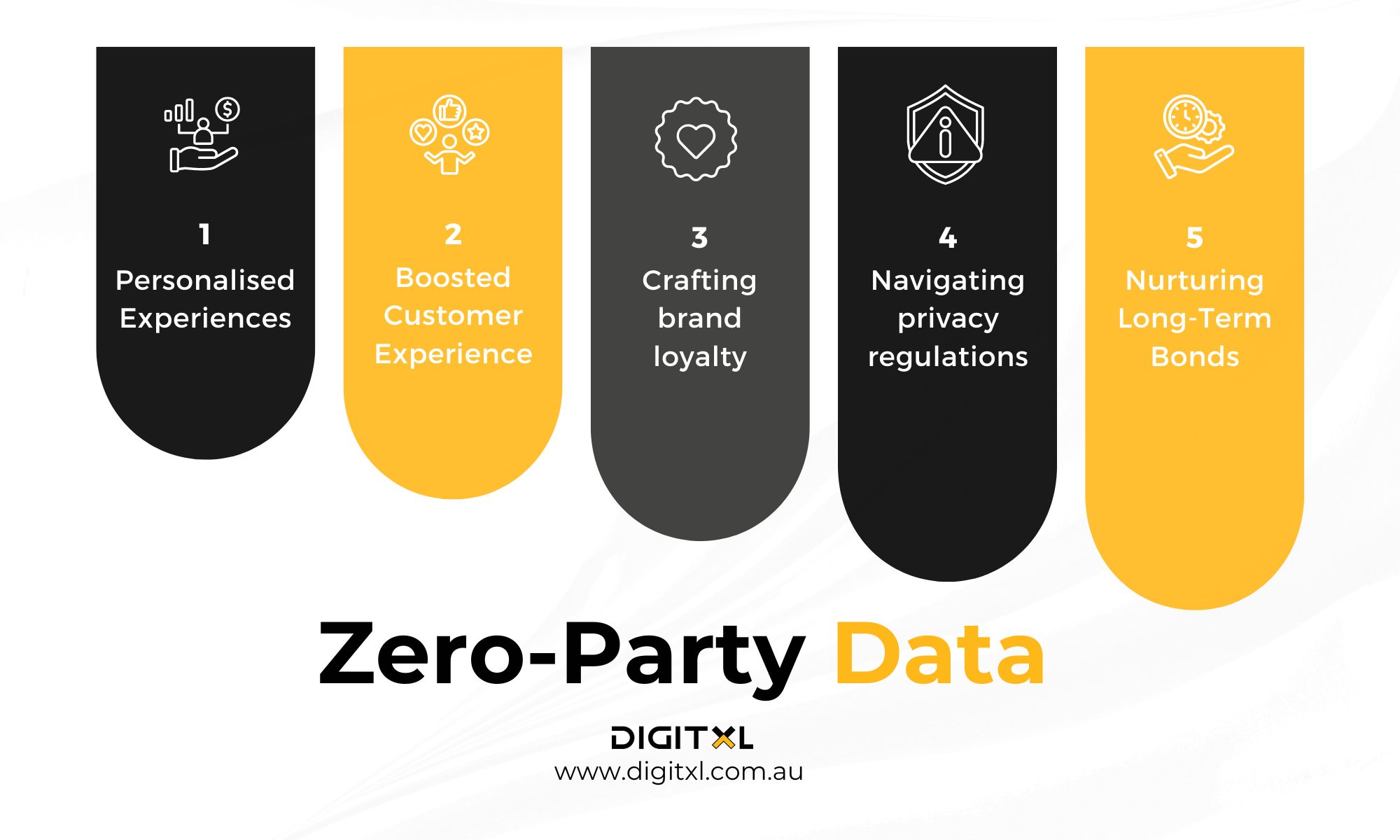
3.1 Personalised experiences
With zero-party data in hand, businesses can come up with personalised experiences by grasping preferences, needs, and interests, and can tailor marketing pitches, product recommendations, and promos to suit each customer’s taste. Viola! —this boost in personalisation amps up customer experience and conversion chances.
4. Boosted customer engagement:
When a business truly “gets” its customers, engagement soars. Zero-party data arms businesses to whip up precisely-targeted, on-point content that resonates with the audience. Higher engagement, more campaign interaction, and happier customers result.
4.1 Crafting brand loyalty
Understanding customer quirks goes a long way. Zero-party data helps tailor experiences that forge loyalty and trust. When customers feel heard and valued, they stay loyal and even champion the brand to others.
4.2 Navigating privacy regulations
Privacy rules like GDPR and CCPA put consent and customer privacy in the spotlight. Zero-party data collection ensures compliance. Customers willingly offer up info, and the result is compliance with regulations and customer consent, loud and clear.
Zero-party data is the bridge that helps businesses stay on the right side of privacy regulations, building trust with customers while harnessing valuable insights.
4.3 Sharp customer segmentation
Zero-party data is a goldmine for crafting precise customer segments. Understanding interests and preferences lets businesses group customers with shared characteristics. Targeted campaigns mean higher conversion rates and smarter marketing resource usage.
4.4 Insider scoop for product development
The route to great products? Knowing what customers want. Zero-party data dishes out invaluable insights that guide product strategies. By analysing preferences and feedback, businesses can spot gaps, unearth opportunities, and create products that ace customer expectations.
4.5 Hike in Customer Satisfaction:
When businesses use zero-party data to create personalised experiences, customers feel valued and understood. That amps up satisfaction, with happy customers more likely to make purchases, with happy customers more likely to make repeat buys, endorse the brand, and be a part of the brand’s journey.
4.6 Edge in Competition:
In today’s competitive market, every edge counts. This type of data sets businesses apart by delivering personalised experiences that cater to unique tastes and needs. This distinctiveness helps businesses shine, even in a bustling industry.
4.7 Nurturing Long-Term Bonds:
Building lasting customer relationships is like planting seeds for growth. This helps businesses connect with customers on a deeper level by understanding individual needs. Consistent personalised experiences encourage trust, loyalty, and a lasting relationship, all of which drive customer value over time.
4.8 Owning and Controlling Data:
Zero-party data equals ownership and control. Unlike first party data and third-party data, it’s given directly by customers. Businesses can flex control over how it’s used, ensuring privacy rules are met and trust fortified.
5. A Deep Dive into Zero-Party Data Collection
Now, let’s plunge into ten top-notch methods for businesses to gather this treasure trove of zero-party data:
5.1 Customer Surveys and Polls:
Classic surveys and polls are winners for zero-party data collection. By asking customers pointed questions about their needs and tastes, businesses gather insights to fine-tune strategies and product development.
Customers are willing to provide zero-party data through surveys and polls when they see a direct benefit in return.
5.2 Interactive Assessments:
Engagement yields data. Align conversational pop-ups with products or services, and businesses can snag insights on customer preferences, needs, and purchase intent.
5.3 Preference Centres :
These are customer havens for communication choices. Businesses score data on preferred channels, communication frequency, and key topics. A win-win for everyone!
Customers prefer brands that offer preference centres for communication choices, indicating a strong demand for control over their data.
5.4 Contests and Giveaways:
Offering prizes for customer info works like a charm. Businesses can grab insights while fueling engagement and excitement.
Customers are more likely to participate in contests and giveaways if they know their zero-party data will be used to tailor prizes to their preferences.
5.5 Transactional Interactions:
Shopping or account creation moments are golden chances for zero-party data. Extra fields during checkout or registration help gather preferences, interests, and more.
5.6 Social Media Engagement:
Social platforms are hubs for data. Engaging customers through comments, messages, or interactive posts unveils preferences and needs.
5.7 Website Behaviour Tracking
Customer behaviour on websites is another data mine. Tracking page views, clicks, and time spent gives insights into customer preferences.
Businesses that utilise website behaviour tracking witness increase in conversion rates due to the deployment of targeted content.
5.8 Customer Feedback and Reviews:
Feedback and reviews are precious for data. Insights gleaned help refine products, services, and strategies. Customers are likely to provide detailed feedback and reviews when they know their opinions will contribute to improved products and services.
5.9 Loyalty Programs and Rewards:
Loyalty programs aren’t just about perks. They collect data while fostering engagement and loyalty.
5.10 Customer Interviews and Focus Groups:
Direct interaction yields qualitative data. Customer interviews and focus groups dig deep into motivations, preferences, and pain points.
6. Making Zero-Party Data Work Its Magic
Collecting zero-party data is just the start. The real deal lies in integrating it into marketing and customer experience strategies.
Here’s how to hit the ground running:
6.1 Data Harmony:
Integrate zero-party data with existing customer data platforms (CDPs) or CRM systems. The result? A wholesome view of customers that uses zero-party data to complement other insights.
6.2 Tailored Magic:
Weave zero-party data into campaigns, content, and recommendations for a personalised touch. Segments based on preferences lead to targeted messages, boosting engagement and conversions.
6.3 Stay Curious:
Continually analyse zero-party data for trends, preferences, and behaviour patterns. Keep profiles updated based on the freshest insights, staying adaptable in response to evolving customer needs.
6.4 Superior Customer Experience:
Enrich customer experiences using zero-party data across touchpoints. Craft interactions that mirror individual preferences, nurturing trust and long-term relationships.
6.5 Feedback Loop:
Leverage zero-party data to gather feedback, then act on it. This iterative process refines products, services, and strategies, showing customers you’re listening.
6.6 Guardian of Privacy:
Data compliance and security are paramount. Zero-party data is given in trust—upholding data protection and getting consent to maintain that trust.
6.7 The Dawn of Zero-Party Data’s Era
With privacy regulations gaining ground and customers being privacy-savvy, the importance of zero party data is only set to grow. Businesses that embrace this zero-party data strategy and make the most of insights will shine. They’ll conquer the art of delivering personalised experiences, building strong customer bonds, and staying ahead in the competitive arena.
6.8 Food for Thought
In essence, zero-party data represents a potent tool for businesses to gain a deeper understanding of their customers and deliver personalised experiences. By collecting this data through surveys, quizzes, preference centres, and other methods, businesses can enhance customer engagement, improve brand loyalty, and drive business growth. The future belongs to those businesses that can effectively collect, analyse, and make use of zero-party data to create meaningful customer experiences.
6.9 FAQ
Q. What is zero-party data and why is it important?
A. Zero-party data is information customers willingly share, like their preferences and interests. It helps businesses understand their audience better, providing valuable insights for creating personalized experiences, boosting engagement, and improving customer loyalty.
Q. How does zero-party data benefit my business?
A. It allows you to create more personalized marketing, enhance customer engagement, and improve brand loyalty. Plus, it helps with compliance on privacy regulations like GDPR and CCPA, giving customers control over their data while boosting trust.
Q. How can I collect zero-party data from my customers?
A. You can gather zero-party data through methods like surveys, polls, interactive quizzes, preference centers, loyalty programs, and even social media engagement. These tools allow customers to willingly share preferences, interests, and feedback.
Q. How does zero-party data improve customer experience?
A. Zero-party data helps you tailor your content and offers to match customer preferences. This personalization makes customers feel understood, leading to higher satisfaction, more repeat purchases, and long-term brand loyalty.
Q. How can I use zero-party data in my marketing strategy?
A. Integrate zero-party data into your CRM or customer data platform, then use it to create tailored campaigns, refine product offerings, and maintain a continuous feedback loop. This ensures that your marketing stays relevant and resonates with your audience’s evolving needs.

 Previous