- Digital Analytics
Building a Sustainable Experimentation Culture Using Behaviour Analytics
27 May 2025
Spoiler: it’s not about more tools or fancier dashboards.
You want to know why most companies never build a real testing culture?
Because experimentation is treated like a hobby. A “when we have time” thing.
Meanwhile, behaviour analytics is sitting there quietly exposing every broken funnel, drop-off, hesitation click, and “What do I do now?” moment — and no one’s looking. A good analytics agency will usually see these patterns long before they show up in your topline numbers.
Here’s the truth: you don’t have an experimentation problem.
You have a prioritisation problem. A workflow problem. A people-don’t-trust-the-data problem.
And behaviour analytics? That’s not a nice-to-have. It’s the only thing keeping your tests honest.
1. Step 1: Stop Thinking of “Testing” as a Department
It’s not. And if it is, you’ve already lost.
Real experimentation culture means marketing, UX, product, and analytics are all circling the same drain. Same friction points. Same failures. Same questions.
When testing becomes a siloed playground for whichever team got budget approval that quarter, it’s a gimmick. Not a habit. Behaviour analytics fixes this. Not because it gives you answers, but because it forces alignment on the problem.
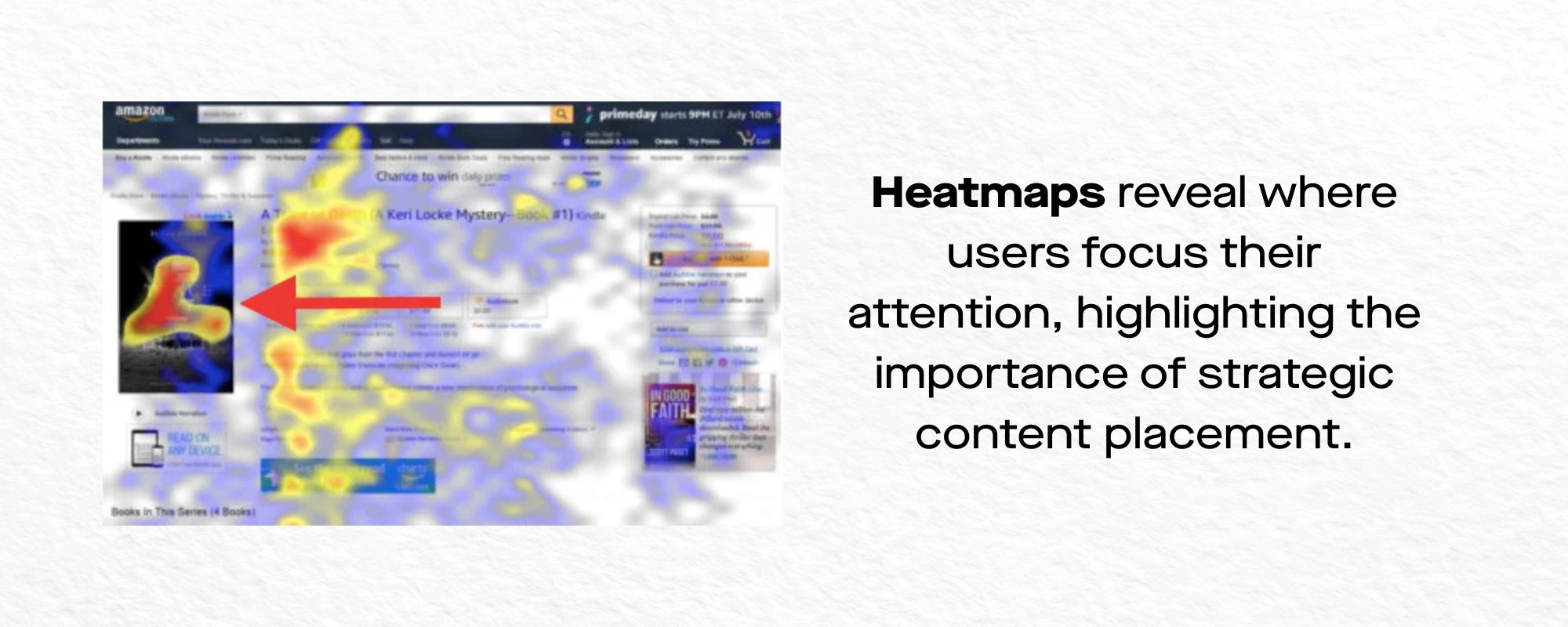
- A heatmap shows where people stopped caring
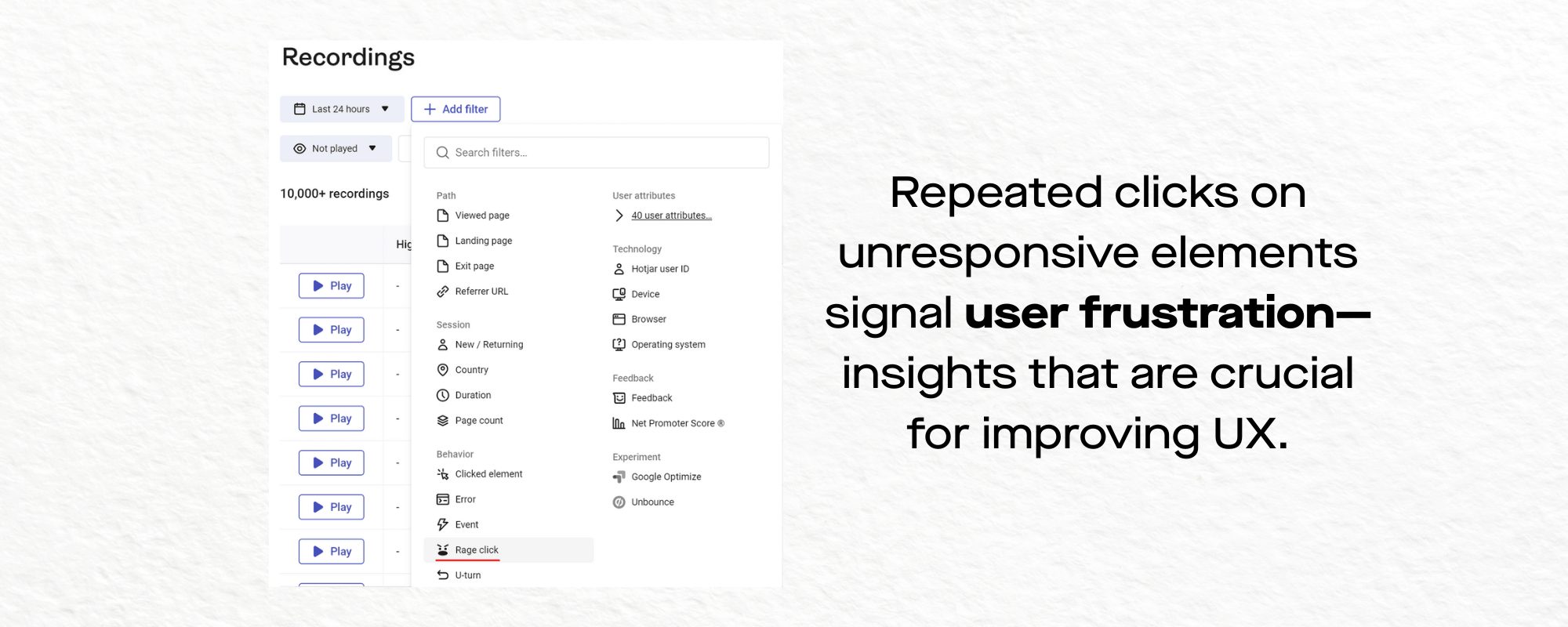
- A rage click shows where a stakeholder overruled good UX
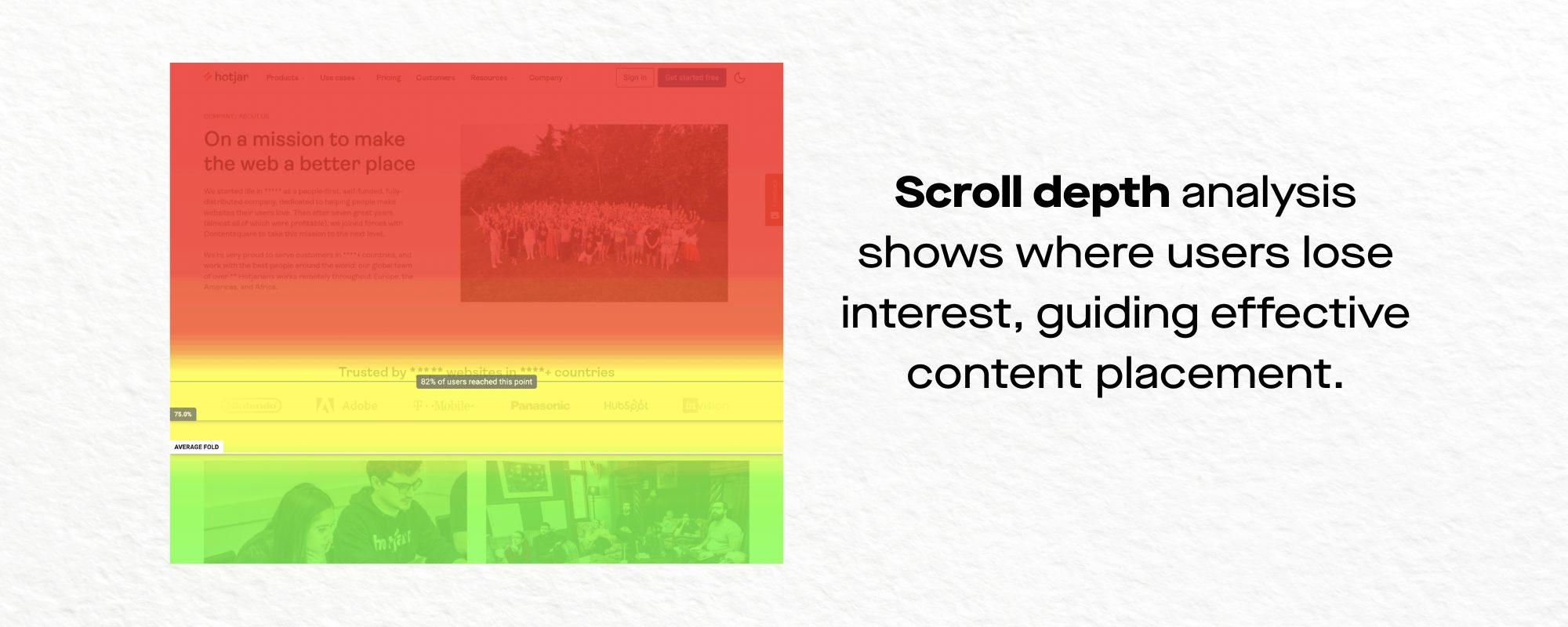
- A scroll depth chart shows that no one read the sales copy legal made you include
Show that to three different teams and watch how fast they suddenly want to “collaborate.”
2. Step 2: If It’s Not Behaviour-Led, It’s Not a Hypothesis.
Every test should start with friction. Not ideas. Not inspiration. Not competitor envy.
Friction.
What’s breaking? Where are people pausing, hesitating, quitting?
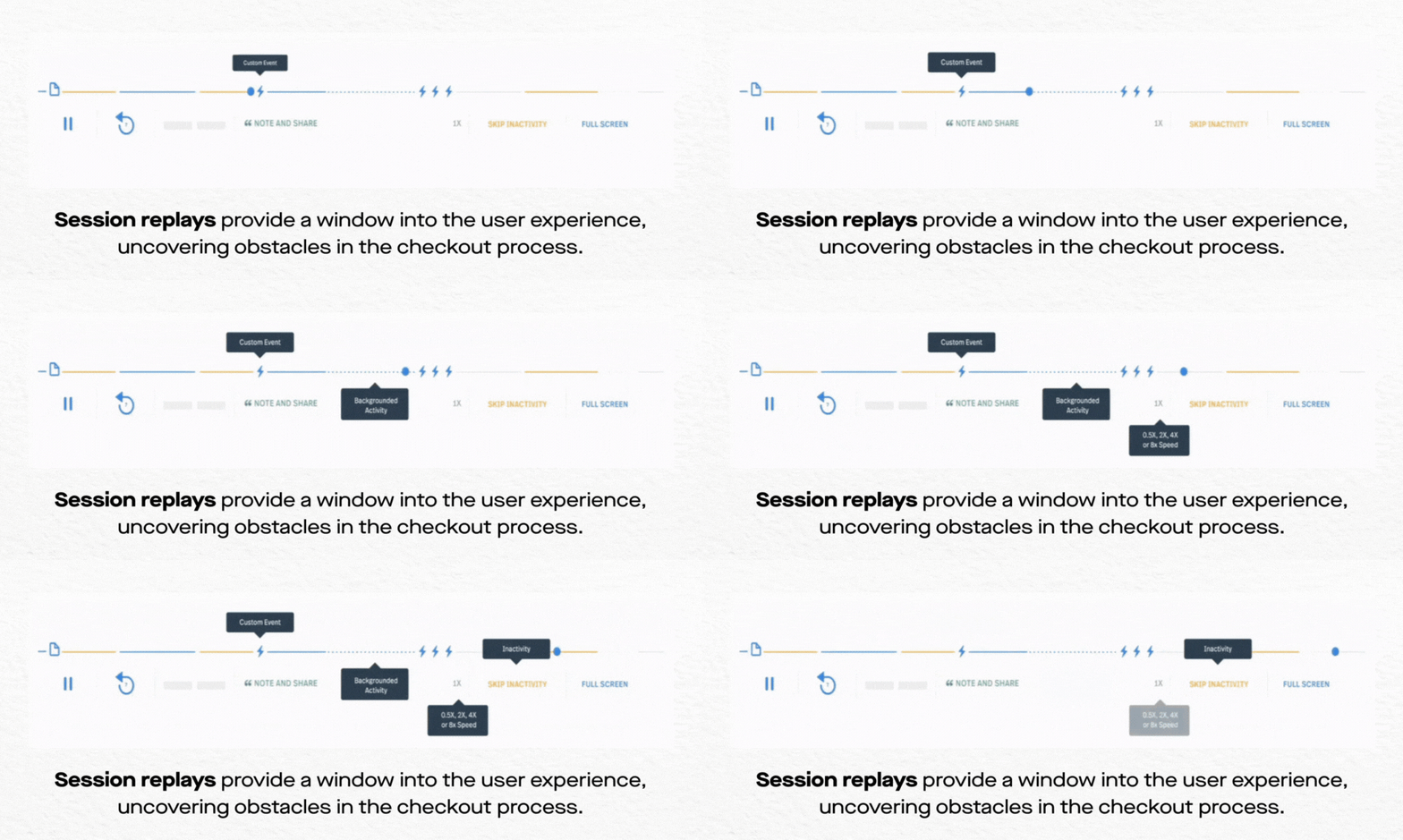
Session replays don’t just show you what happened. They show you what it felt like to go through it. And that’s where the real hypotheses live. If your test idea doesn’t trace back to a moment of friction in your behaviour data, bin it.
A CRO agency can turn patterns from session replays, heatmaps and funnel data into prioritised hypotheses, helping teams test observed customer friction rather than relying on internal opinions or isolated ideas.
3. Step 3: Institutionalise Curiosity, Not Just Results
The reason most testing programs collapse?
Everyone expects a win.
Every experiment needs to “prove value.”
So people test safe. Or worse — they test many tweaks just to get a green arrow.
Real experimentation culture means you can fail publicly. Because every test adds clarity.
So set your culture rules:
- A failed test with behavioural insight = ✅
- A winning test with no documented learning = ❌
- Any test that nobody remembers running three weeks later = 🔥 (burn it)
4. Step 4: Make Replays the Universal Language
You want alignment between product, marketing, and analytics?
Don’t write a report. Don’t schedule a meeting. Don’t send a summary slide.
Send a session replay clip.
Show the Head of Product five people failing the same task.
Show Marketing that no one made it to the CTA they obsessed over.
Show Legal that their cookie pop-up killed 38% of your checkout attempts.
For Brisbane organisations trying to build stronger experimentation habits across product, marketing and analytics teams, a CRO agency in Brisbane can help establish a shared process for reviewing behaviour data, documenting friction and turning session-replay evidence into an agreed testing backlog.
- Video = clarity.
- Clarity = agreement.
- Agreement = culture.
5. Our Words..
You don’t build experimentation culture with dashboards.
You build it by making curiosity operational.
6. FAQ
Q. Why isn’t more tooling enough to build an experimentation culture?
A. More tools and dashboards don’t fix broken workflows, politics, or unclear ownership.
Without trust in the data and clear priorities, experimentation stays a side project instead of a habit.
Q. How does behaviour analytics actually support experimentation?
A.Behaviour analytics surfaces real friction points like rage clicks, drop-offs, and dead zones on a page.
These insights keep tests grounded in user reality instead of guesses, inspiration, or stakeholder opinions.
Q. What does “behaviour-led hypothesis” mean in practice?
A. It means every test idea must trace back to a specific observed behaviour, like hesitation on a form or confusion in checkout.
If you can’t link the hypothesis to a real moment in the data, it doesn’t go into the testing backlog.
Q. Why are session replays so powerful for cross-team alignment?
A. Short replay clips let everyone literally watch customers struggle, which cuts through jargon and opinion.
When teams see the same behaviour, they’re far more likely to agree on the problem and commit to fixing it.
Q. How do you “institutionalise curiosity” in a testing program?
A.You set rules that reward documented learnings, even from failed tests, rather than celebrating only wins.
Over time, this shifts the culture from “prove this idea works” to “let’s learn what’s really happening and act on it.

Recent Posts




Case Studies
Business News Australia
On Track Meals
Suncorp